
Therapeutic areas

Five categories, one specialism.

Each class of cancer medicine asks something different of the supply chain. Here is what we distribute and how we handle it.

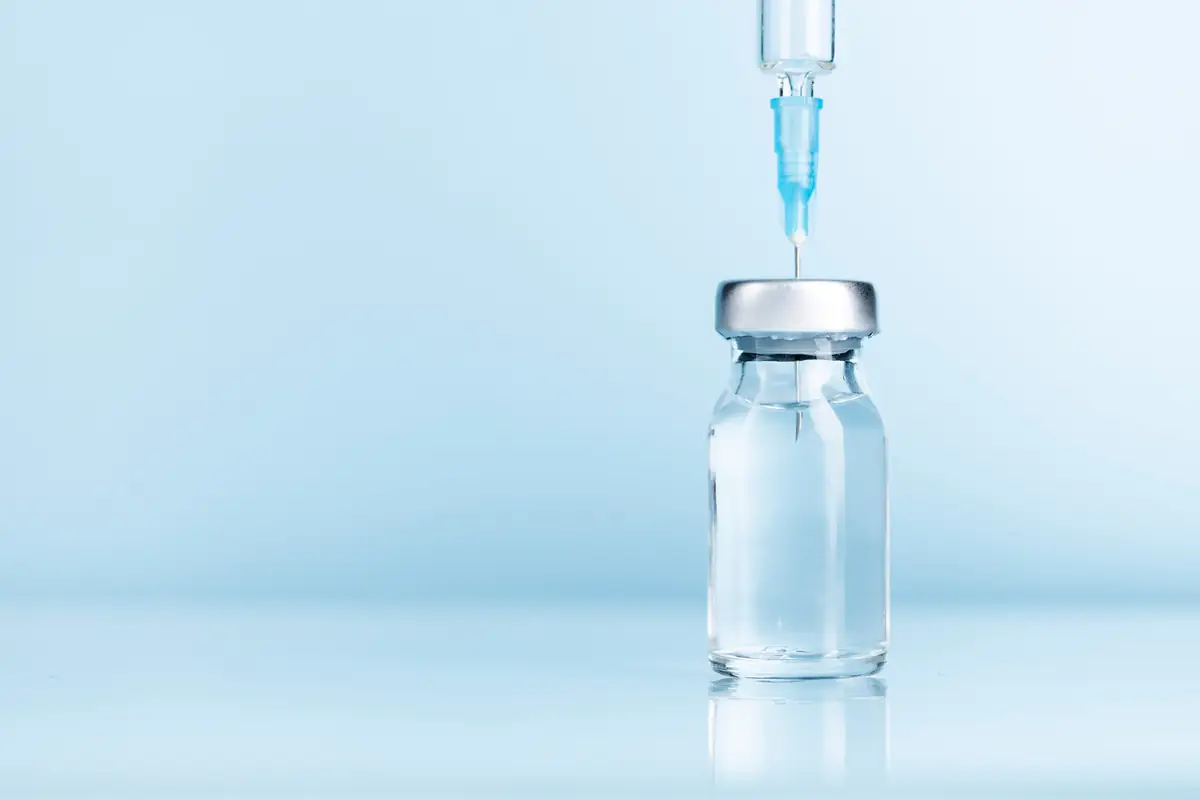
Glass medicine vial with a syringe needle drawing from it

Oncology

Oncology is the whole of our business. We supply medicines used in the treatment of solid tumours and blood cancers to hospitals, cancer centres, pharmacies and patients.

Working in a single field means our stock planning, storage and delivery routines are all designed for the way cancer treatment is given: in scheduled cycles, often with several medicines needed on the same day.

What that means in practice

  • Stock planned around treatment cycles
  • Medicines for a regimen delivered together where possible
Biosimilars

A biosimilar is a biological medicine developed to be highly similar to an already approved reference biologic, with no clinically meaningful differences in safety or effectiveness. Biosimilars can widen access to established treatments by lowering their cost.

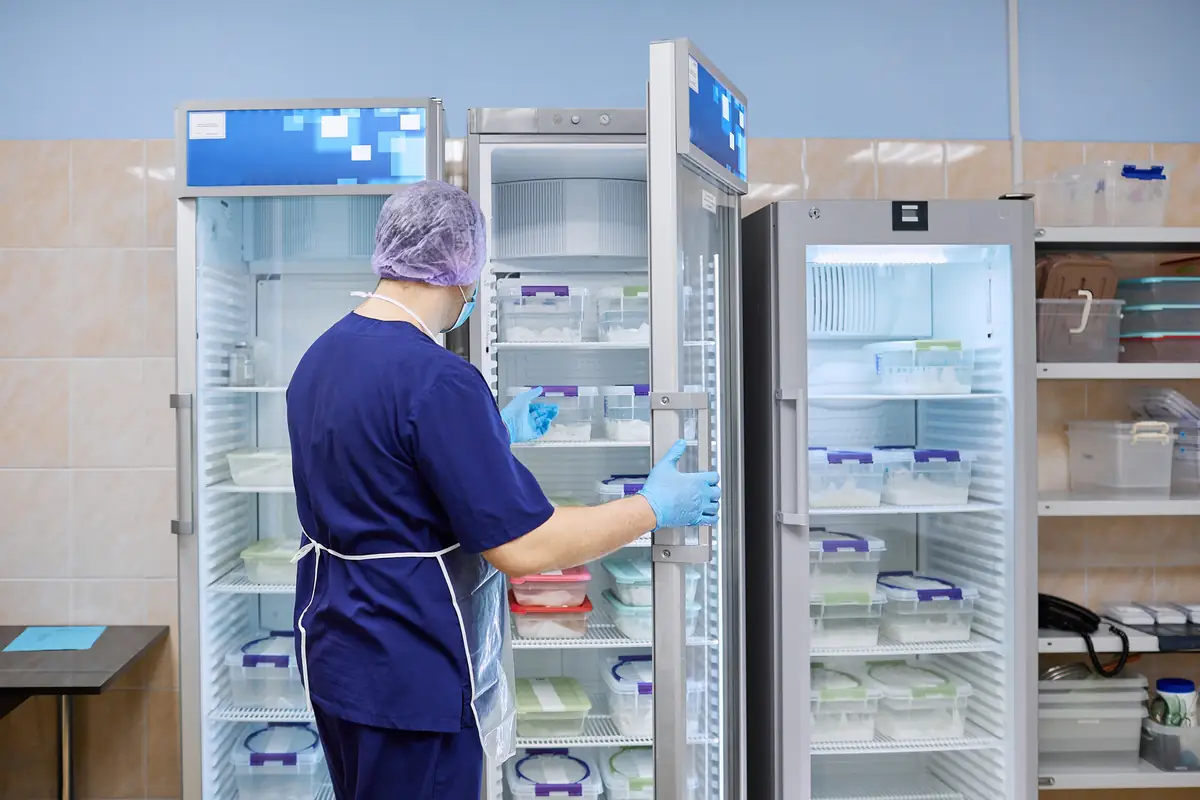
Like the reference products, most biosimilars are large protein molecules that must stay refrigerated and must never be frozen or shaken.

How we handle them

  • Refrigerated storage and transport, typically 2 to 8 °C as labelled
  • Protection from freezing as well as from heat

Immunotherapy

Immunotherapies help the body's own immune system recognise and act against cancer cells. The class includes monoclonal antibodies such as immune checkpoint inhibitors.

These are high-value biological medicines, usually given by infusion in a hospital or clinic on fixed dates, so they need both a dependable cold chain and precise delivery timing.

How we handle them

  • Cold-chain handling from receipt to handover
  • Delivery timed to the infusion schedule

Chemotherapy

Cytotoxic chemotherapy remains the backbone of many treatment protocols, alone or alongside newer therapies. Regimens often combine several medicines, each with its own storage condition.

Because cytotoxic medicines are hazardous to handle, intact packaging and correct labelling matter at every step.

How we handle them

  • Storage at each product's labelled condition
  • Careful handling and packing to keep containers intact

Supportive care

Supportive care medicines help manage the side effects and complications of cancer and its treatment, such as nausea, low blood counts and pain. They help patients tolerate therapy and stay on schedule.

They are easy to overlook and often needed at short notice, which is why we treat them as part of the core range.

How we handle them

  • Available alongside the main treatment order
  • Home delivery for patients between cycles

This page is general information, not medical advice. It does not promote any specific product. Decisions about treatment belong with a qualified oncologist. Healthcare professionals can request product information from our team.

Looking for a specific medicine?

Send us the name and strength. We will confirm availability and delivery timing.